
A quality knife is an investment — one that rewards proper care with decades of reliable performance. Whether you've just purchased your first premium blade or you're a seasoned collector looking to refine your maintenance routine, understanding the fundamentals of blade care is essential.
In this guide, we'll walk through everything you need to know about keeping your knives in peak condition, from daily care habits to professional-grade sharpening techniques.
Why Proper Maintenance Matters
A well-maintained blade isn't just sharper — it's safer. Dull knives require more force to cut, increasing the risk of slipping and injury. Regular maintenance preserves the factory edge geometry, prevents corrosion, and extends the functional lifespan of your blade by years.
A sharp knife is a safe knife. The moment you start forcing a cut, you've lost control — and that's where accidents happen.
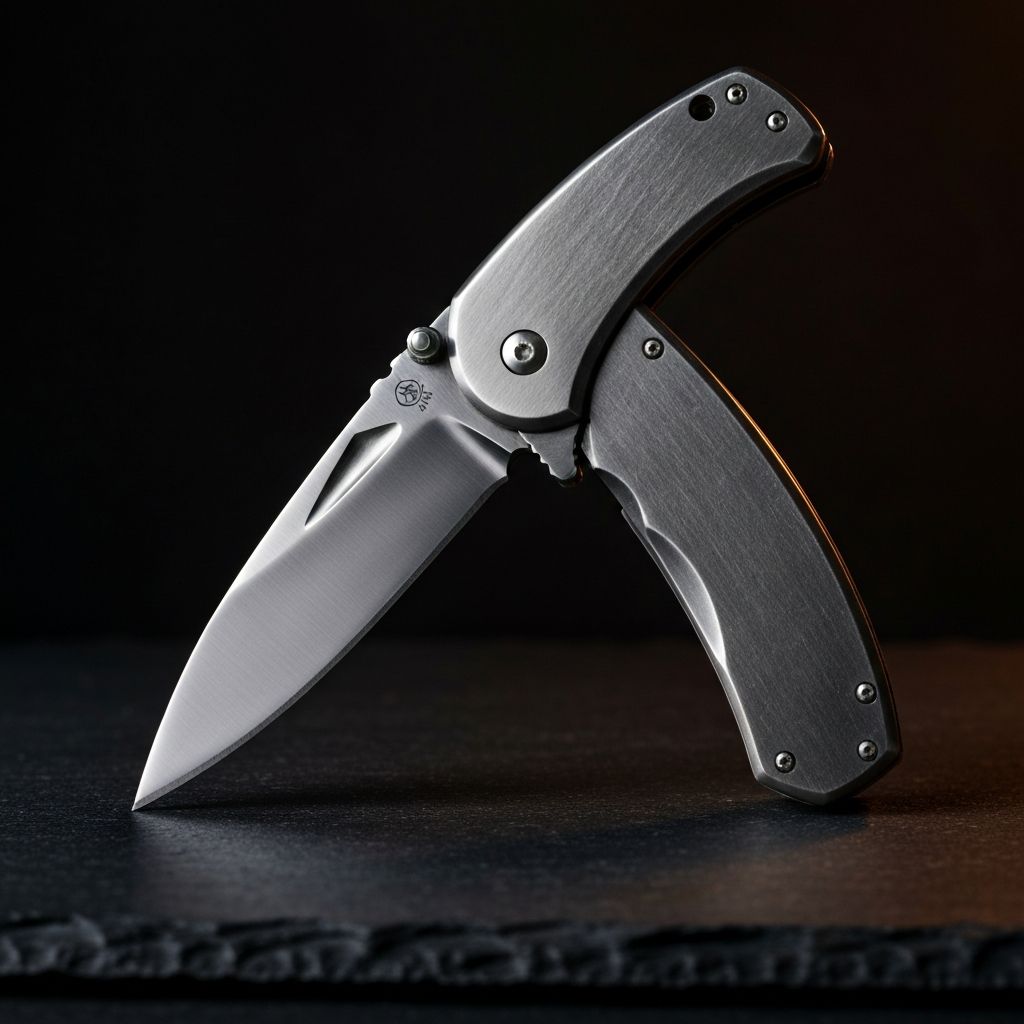
Beyond safety, there's a deeper satisfaction in using a tool that's been properly looked after. The action of a well-oiled folding knife, the effortless bite of a freshly honed edge — these are the details that separate a good experience from an exceptional one.
Daily Care Essentials
The foundation of blade maintenance isn't sharpening — it's prevention. Most edge degradation comes from improper storage, exposure to moisture, and neglect of the pivot and locking mechanisms. Here are the basics every knife owner should follow:
- Clean and dry your blade after every use, especially after contact with moisture, food, or salt
- Apply a thin layer of mineral oil or dedicated blade oil to the steel surface
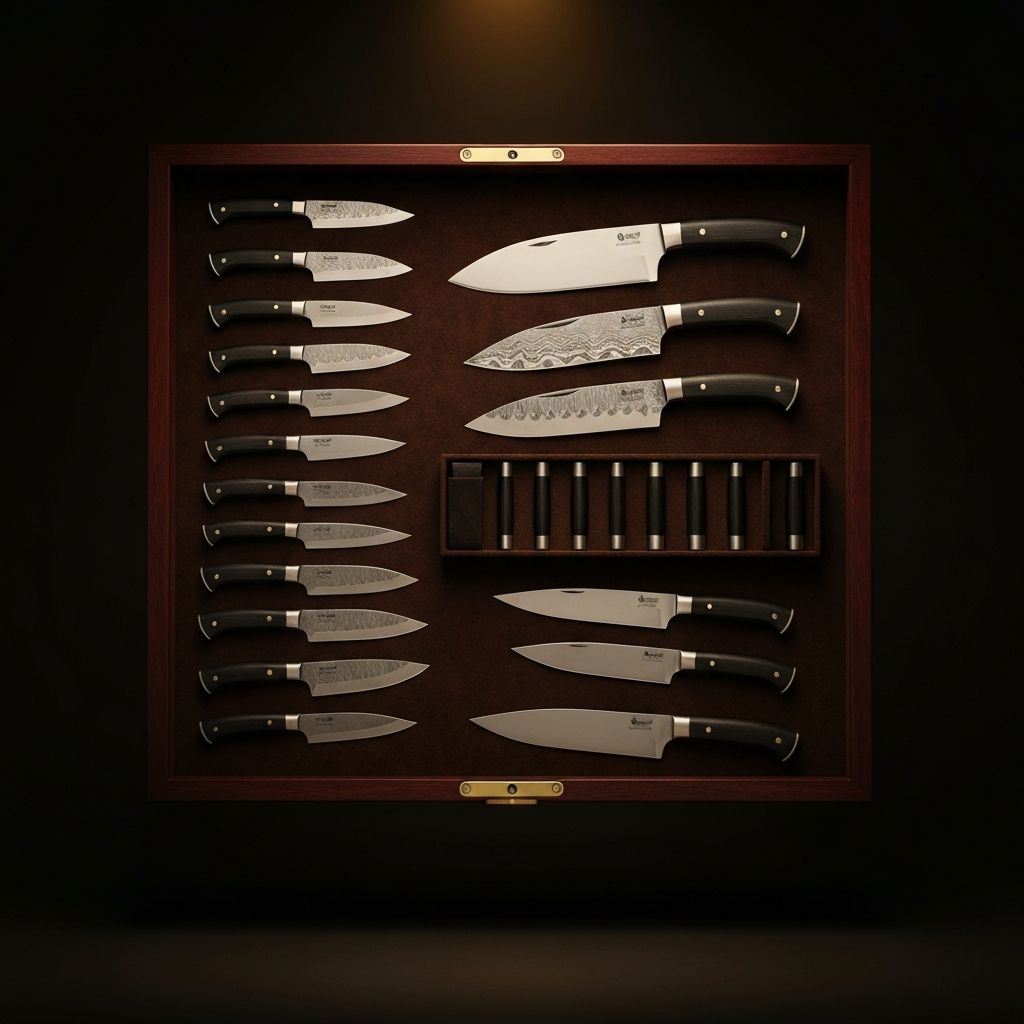
- Store knives individually — never loose in a drawer where edges can contact other metal
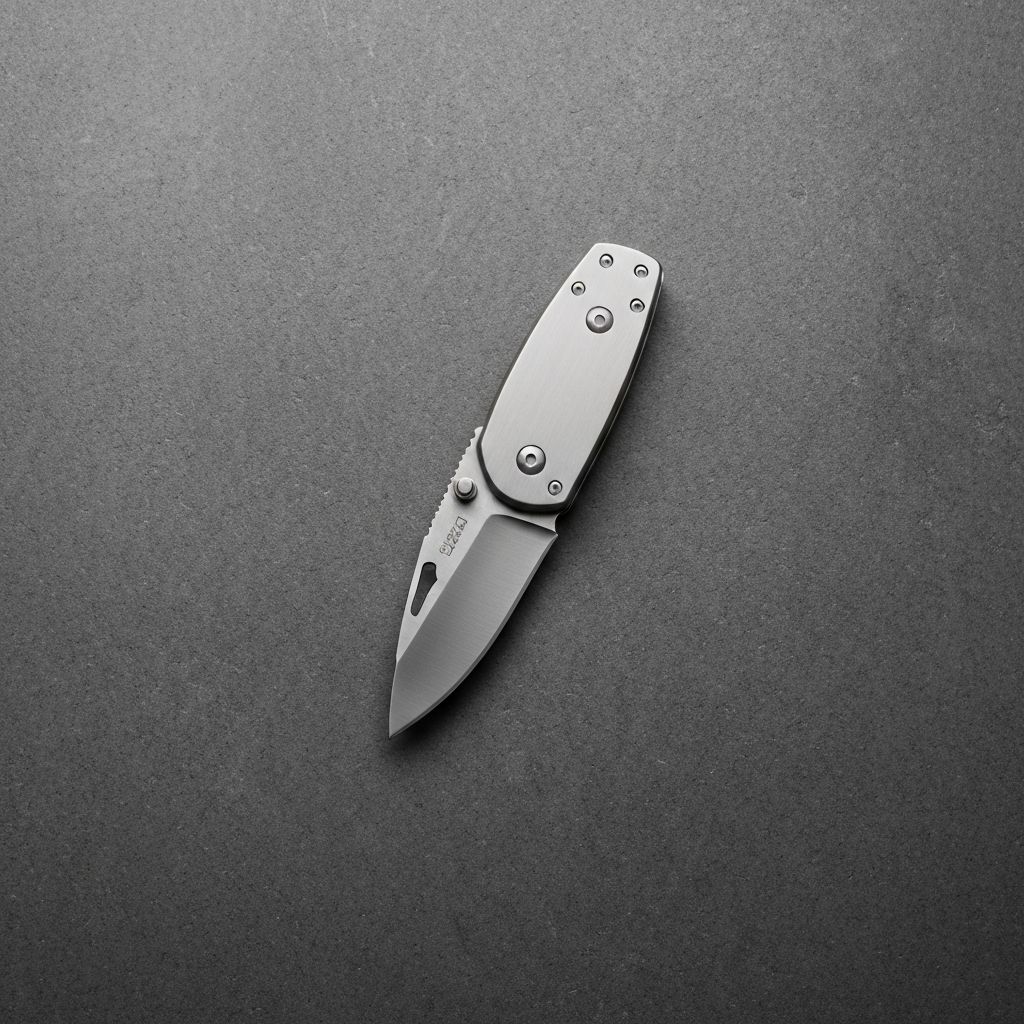
- For folding knives, periodically clean and lubricate the pivot mechanism
- Inspect locking mechanisms regularly for debris or wear
Understanding Sharpening Systems
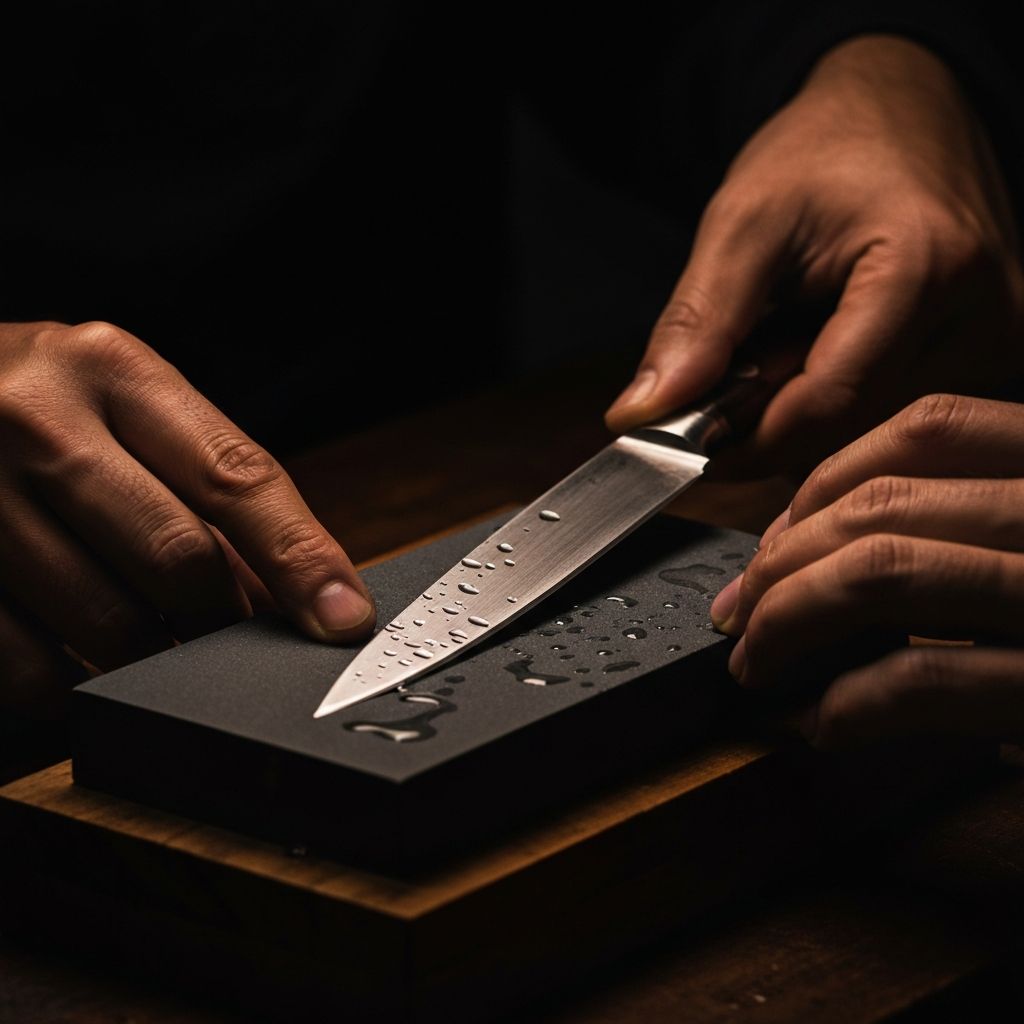
When it comes to sharpening, the options can feel overwhelming. Whetstones, guided systems, ceramic rods, stropping compounds — each has its place in a comprehensive maintenance kit. The key is matching the right system to your skill level and the steel in your blade.
For most users, we recommend starting with a quality guided sharpening system. These tools maintain a consistent angle — the single most important factor in achieving a keen edge — while you develop the muscle memory for freehand sharpening.
When to Seek Professional Help
Some maintenance tasks are best left to professionals. Significant chips, reprofiling a blade to a different angle, or restoring a heavily corroded finish all require specialised equipment and expertise. If your blade has suffered damage beyond what a standard sharpening can address, consult a professional sharpening service rather than risk further damage.
At Lyons Blade, we're always happy to advise on care for any blade in our collection. Whether you need a product recommendation or guidance on maintaining a specific steel type, our team is here to help.